Egyptian government outlines second tax facility package targeting industry and capital markets

Egypt plans to replace its capital gains tax on stock market transactions with a stamp duty and cut value-added tax (VAT) on medical devices from 14 per cent to 5 per cent as part of a second package of tax facilities aimed at attracting investment and reducing burdens on businesses.
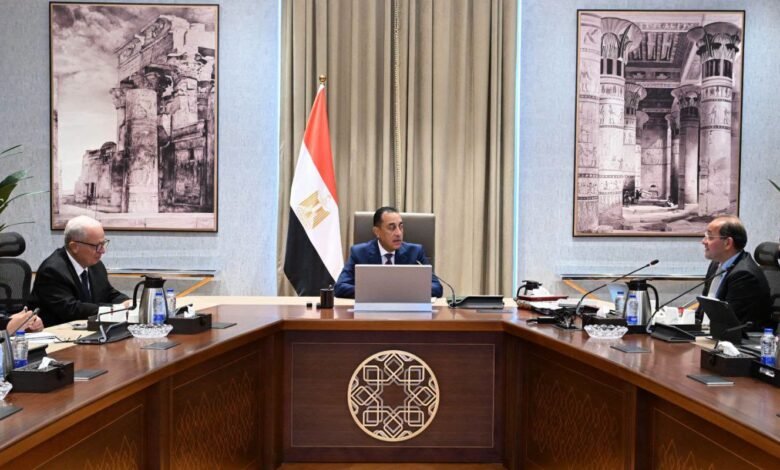
The details of the new measures were outlined by Minister of Finance Ahmed Kouchouk during a meeting with Prime Minister Mostafa Madbouly and Deputy Prime Minister for Economic Affairs Hussein Issa. During the talks, Madbouly affirmed the government’s full support for the successful implementation of the package to improve services provided to taxpayers.
Focusing on capital markets, Kouchouk stated the package introduces an investment incentive to encourage companies to list on the Egyptian Exchange for a period of three years, guaranteeing an increase in trading volume and investments. This will be accompanied by the replacement of the capital gains tax with a stamp duty to stimulate trading.
To support the industrial and healthcare sectors, the government will extend the suspension of VAT payments on machinery and equipment used in industrial production and medical devices to four years, up from two years. In addition to the VAT reduction on medical devices, inputs for kidney dialysis machines, filters, parts, and supplies will be entirely exempt from the tax.
For the wider business community, the finance minister said the solidarity contribution will be deducted from the tax base to lower the financial burden on all taxpayers. Additionally, the tax dispute resolution law will be renewed until the end of next December to encourage the voluntary settlement of the largest possible number of disputes.
Regarding property, the real estate disposition tax for individuals will remain unchanged at 2.5 per cent of a unit’s sale value, regardless of the frequency of transactions. However, the new package introduces a full exemption for property transfers between spouses, children, and direct descendants.
Kouchouk noted that the ministry aims to shift the tax environment toward a “customer service” culture characterised by simplification and incentivisation. He added that tax offices are prepared for the flexible and precise execution of the measures as soon as the laws governing the second package are officially issued.